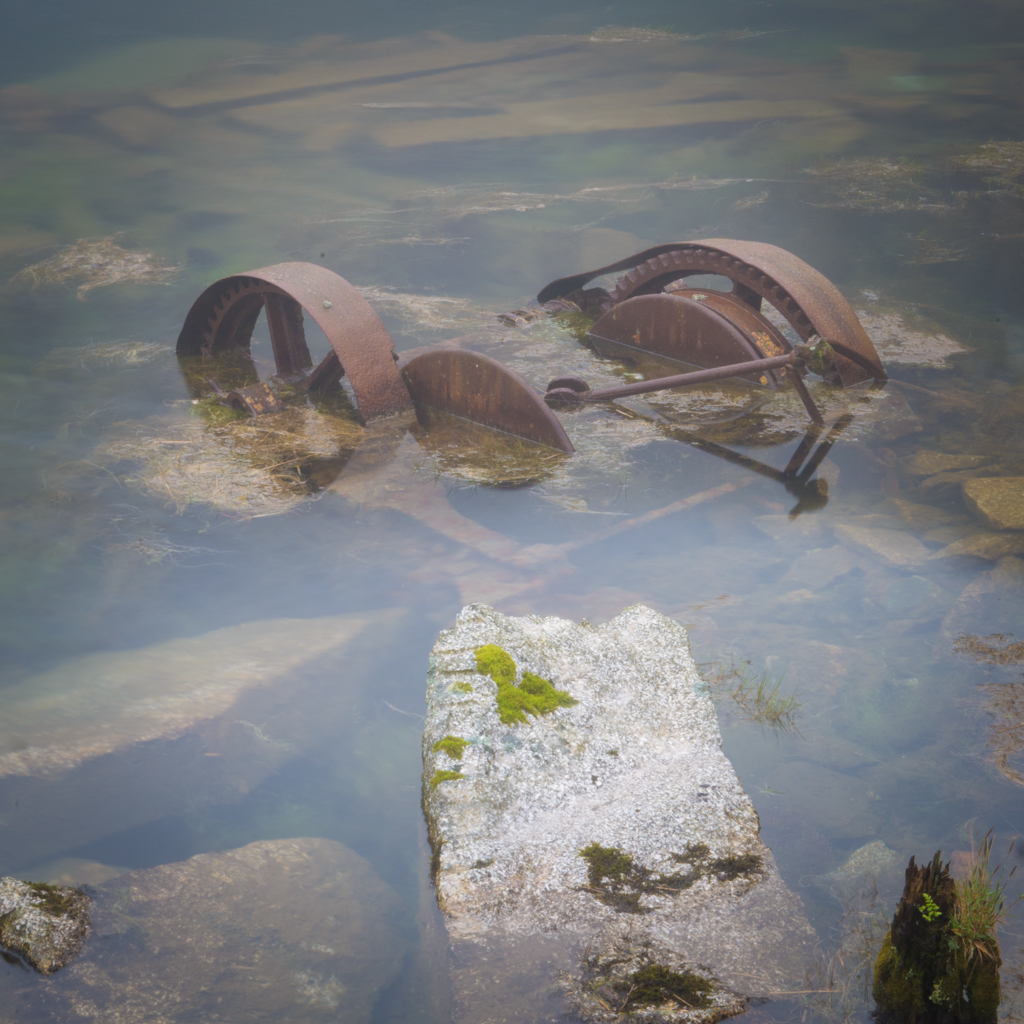
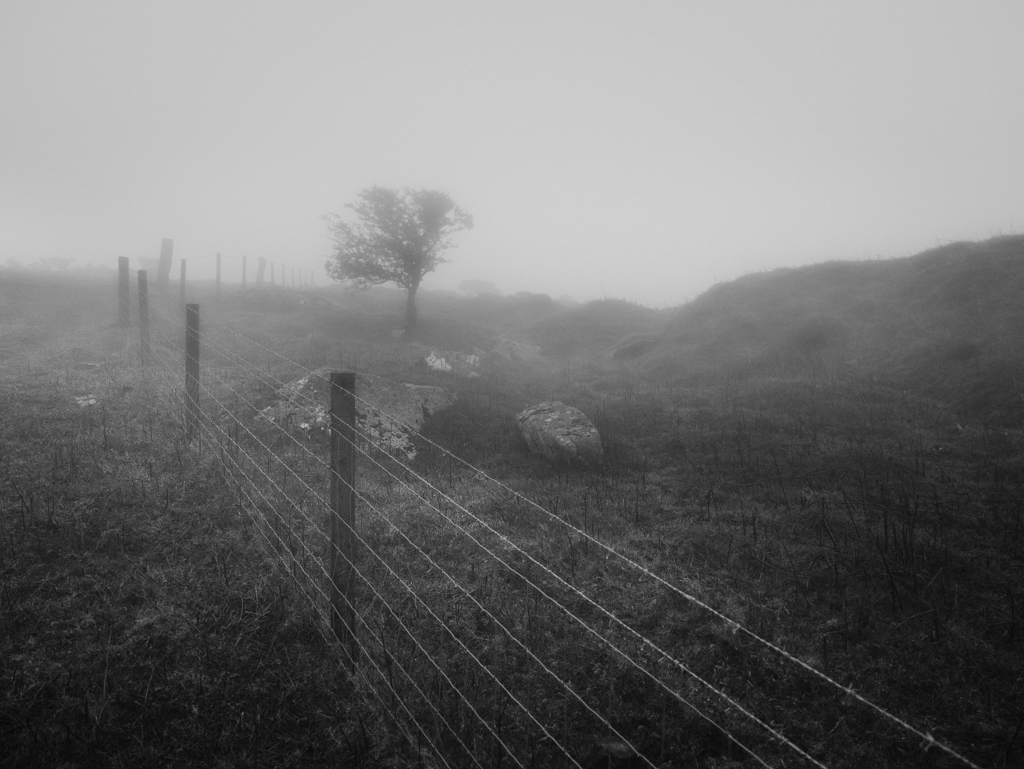
Dodging and Burning are terms used to describe over or under exposing specific areas of the image to highlight or detract specific features in the picture. Although this might sound trivial, the impact that it can have on the image can be immense as it allows you to draw the viewers eyes to the parts of the image you want them to see, while also reducing distractions.
The names come from techniques developed in the darkroom. Burning is used to increase the exposure in a specific part of an image; when a print was being developed it would be exposed normally, then using an opaque card with a shape cut into it the developer could add extra exposure to a specified area of the print to make that area lighter.
Dodging is effectively the opposite; using shaped pieces of opaque card the developer could stop light from exposing in certain areas and therefore reduce the exposure and make the affected part of the image darker. In the darkroom the developer would need to know how long the overall exposure was, and how long to dodge and burn the set parts of the image to get the overall effect, and this process would need to be repeated every time a new print was required.
Luckily we can now make masks in image developing software to make the process much easier, and more importantly, easily repeatable.
I recently took this shot at Golitha Falls near Minions, this tree by the river really stood out as an interesting feature but as it was late in the day the light was fairly flat and even and viewing the image at home it was clear that the lone tree was getting lost within the woods beyond.